
Sub-Total


Running a retail business is often a balancing act between what looks good on a hanger and what actually moves off the shelf. If you’ve been in the game for a while, you know the sinking feeling of seeing a beautiful collection gather dust because it didn't hit the right note with your local crowd. Curating a winning inventory isn't just about buying in bulk; it’s about understanding the subtle shift in men's fashion toward "quiet utility."
The modern man wants clothes that work as hard as he does. To stay ahead, your shop needs to be the place where quality meets convenience.
Understanding the "Core vs. Trend" Ratio
One of the biggest mistakes shop owners make is over-investing in "flash-in-the-pan" trends. While a neon tracksuit might look cool on a social media feed, it rarely pays the rent. A successful inventory follows a 70/30 rule:
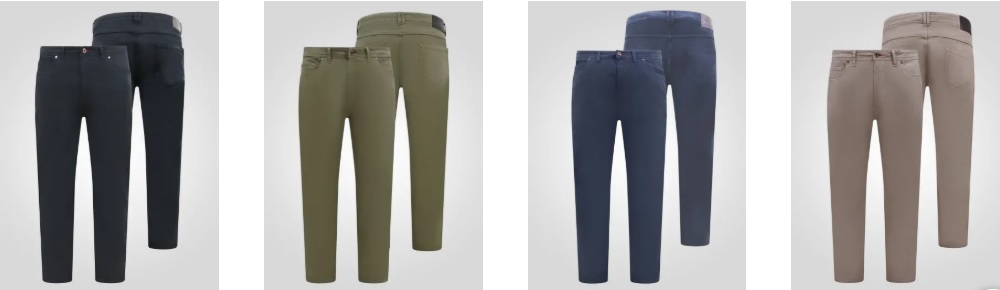
- 70% Core Basics: These are your bread-and-butter items. Think neutral crew necks, reliable denim, and versatile Duke trousers that offer a sharp silhouette for professional settings.
- 30% Seasonal Trends: This is where you inject personality. Maybe it’s a specific corduroy texture for autumn or a bold linen print for summer.
By keeping your core strong, you ensure steady cash flow, while the trend pieces draw people through the door.
Sourcing for Quality and Consistency
Where you get your stock matters just as much as what you buy; you need a partner who understands that "cheap" usually ends up being expensive in the long run through returns and unhappy customers. When you look for wholesale men’s clothing, prioritize suppliers who provide detailed fabric specifications.
Is the cotton pre-shrunk? What is the polyester-to-viscose ratio in the formal wear? These technical details might seem boring, but they are exactly what your customers will notice after the third wash.
The Power of the "Total Look"
Men are notoriously "solution-based" shoppers. They don't just want a shirt; they want an outfit that’s already been figured out for them. When curating your racks, think in "capsules." If you’re stocking a specific blazer, ensure you have the matching chinos and undershirts nearby.
FAQs
-
How often should I refresh my inventory?
It depends on your foot traffic, but a "rolling refresh" usually works best. Instead of changing everything once a season, drop small, fresh arrivals every two to three weeks. It gives regulars a reason to keep popping in.
-
How do I handle slow-moving stock?
Don't let it sit for six months. If an item hasn't moved in 30 days, try re-merchandising it. Move it to a different display or pair it with a best-seller.
-
What is the most important factor in men's repeat purchases?
