
Sub-Total


Choosing the right supplier is not just a sourcing task. It directly affects product quality, delivery timelines, and customer trust. Many retailers realize this only after facing inconsistent stock or delayed shipments. This guide simplifies the process. It focuses on clear checks that help identify vendors who are reliable, transparent, and worth working with long term.
Look Beyond Catalog Variety
A large catalog may look impressive, but consistency matters more. If sizing, fabric, or stitching varies across batches, it creates problems for your customers.Start by requesting samples. Check seam strength, color consistency, and finishing. Even small issues—like uneven buttons or loose threads—can indicate weak quality control.
Understand Who Actually Manufactures the Product
Not every supplier produces their own goods. Some act as intermediaries. That is fine, but clarity matters.Ask direct questions about production units, sourcing methods, and quality checks. A reliable vendor will share this without hesitation. If answers feel vague, consider it a warning sign.
Evaluate Pricing With Context
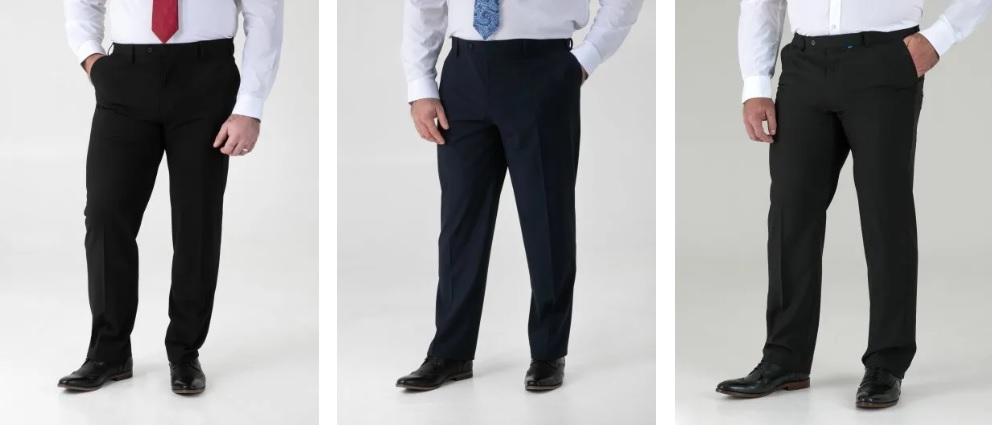
Low pricing can be tempting. But it often reflects compromises in fabric or construction. Instead of chasing the cheapest option, compare price against durability and finish.For example, when assessing items like Duke trousers, check fabric weight and stitching detail. A slightly higher cost with better build quality usually leads to fewer returns and better customer feedback.
Communication Reveals Reliability
The way a supplier communicates early on often reflects future interactions. Delayed replies or unclear answers rarely improve over time.Reliable vendors respond clearly, share timelines, and provide proper documentation. This becomes critical when handling wholesale mens clothing orders where deadlines matter.
Check Scalability and Order Flexibility
Your business may grow faster than expected. A good supplier should support that growth.Ask about minimum order quantities and production capacity. Can they handle seasonal demand spikes? Can they maintain quality at scale? These questions help avoid future supply issues.
Review Market Reputation
Do not rely only on testimonials from the supplier’s website. Look for independent feedback from other buyers. Reviews often highlight practical issues like shipping delays or inconsistent sizing.Brands like Duke Clothing have built credibility through consistent delivery and stable quality. Using such benchmarks helps in comparing new vendors more realistically.
A Small Note From Experience
Many retailers focus heavily on product design at the start. But over time, supplier reliability becomes more important. A dependable vendor reduces operational stress and keeps the business steady.
FAQs
-
How can I test a supplier before placing a bulk order?
Start with samples and a small trial order. This helps evaluate quality and delivery timelines.
- What is a reasonable minimum order quantity?
It depends on your scale, but flexible MOQs are better for managing inventory.
- Should I always choose the lowest-priced supplier?
No. Lower prices often mean compromises in quality or consistency.
- How important is communication in supplier selection?
